Algiers, Algeria
A white city stacked above the Mediterranean, with a historic Casbah and Roman ruins nearby.
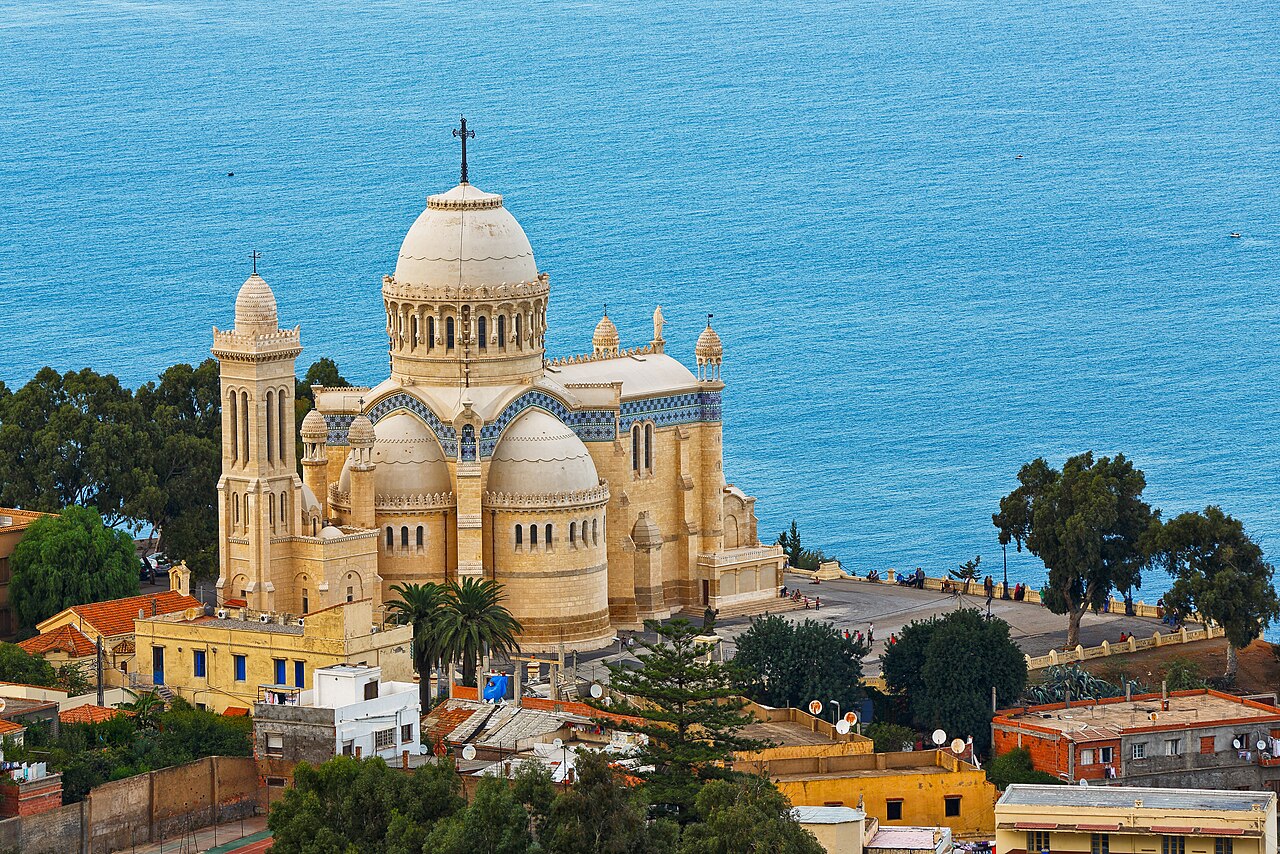
Algiers is one of the standout places to visit in Algeria. A white city stacked above the Mediterranean, with a historic Casbah and Roman ruins nearby. Plan on 2-4 days. Fly into Houari Boumediene Airport (ALG), which is about 20 km from the centre. The best months are April, May, September, and October. A mid-range budget is around $100 per person per day (from about $45 on a tight budget to $230+ for luxury).
Government travel advice: Exercise increased caution. US State Department level 2, Government of Canada level 2, UK FCDO level 2. Read the official advice before you plan.
About Algiers
Algiers rises in terraces from the bay, with a UNESCO-listed Casbah, French colonial boulevards and the Martyrs Memorial above the city. Tourism is still limited, so visits feel uncrowded and local. Roman Tipasa and Cherchell make a good coastal day trip.
Key facts
- Country: Algeria
- Ideal stay: 2-4 days
- Best time: April-June and September-October: warm and dry. Winters are mild but wet.
- Currency: Algerian dinar (DZD)
- Language: Arabic · French widely spoken · Berber languages
- Time zone: Africa/Algiers (UTC+1)
- Power plugs: Type C/F · 230 V
- Entry requirements: Most visitors need a visa arranged in advance. Check official Algerian sources.
How to get to Algiers
- Obtain your visa well before travel.
- Fly into Algiers (ALG) and take a pre-arranged taxi.
- Use taxis or the metro within the city, and hire a driver for Tipasa.
Airports
ALG: Houari Boumediene Airport, 20 km from Algiers. Main airport with flights to Europe, the Gulf and Africa. Getting from the airport: Taxi (30-60 min, ~$10-20); Pre-arranged hotel transfer (30-60 min, ~$25-40).
Getting around
Algiers has a small metro and trams. Taxis are common. Hills make walking tiring. Day trips are best with a driver.
Best time to go
The best months to visit Algiers are April, May, September, and October. March, June, and November are also a good choice. Daytime highs average about 31°C in August and 15°C in January. Expect very wet in January, November, and December. April-June and September-October: warm and dry. Winters are mild but wet.
Top things to do in Algiers
- Casbah of Algiers (2-3 h, Free; guide ~$15-30): Steep lanes and Ottoman houses. Some buildings are in poor repair. Go with a local guide if possible.
- Martyrs Memorial (Maqam Echahid) (1 h, Low): Giant concrete monument on a hill with views over the city.
- Notre-Dame d’Afrique (1 h, Free): Basilica on a headland above the sea with fine views.
- Jardin d’Essai du Hamma (1.5 h, ~$1-2): Large botanical garden planted in the 19th century.
- Great Mosque of Algiers (Djamaa el-Djazair) (1-2 h, Low; check access rules): One of the largest mosques in the world, with the tallest minaret.
- Tipasa Roman ruins (Half day, ~$2-5 entry): Coastal Roman town about 70 km west, UNESCO-listed.
Where to stay
- Didouche Mourad / Centre: Central colonial-era streets with restaurants and shops.
- El Mouradia / Hydra: Leafy residential areas with embassies and hotels.
- Bab El Oued side: More local, less polished, near the sea.
What to eat and drink
- Couscous: Served with lamb or chicken and vegetables, often on Fridays.
- Chorba frik: Spicy lamb and cracked wheat soup, common in Ramadan.
- Mhadjeb: Stuffed semolina flatbread sold as street food.
Travel tips for Algiers
- Carry cash. Cards and foreign ATMs are unreliable.
- Learn basic French or Arabic phrases.
- Ask before photographing government buildings or security forces.
- Dress conservatively.
Good to know
- Government advisories warn against travel to some southern and border areas. Check current advice.
- Petty theft in crowded places like the Casbah. Keep valuables hidden.
Daily budget
Budget travellers can get by on about $45 per day, mid-range travellers should plan for around $100, and luxury travel starts around $230 per person per day, excluding flights.
More places like Algiers
- Cairo & Giza, Egypt: The last surviving wonder of the ancient world, beside one of the biggest cities in Africa.
- Tunis & Carthage, Tunisia: A walled medina, Roman ruins by the sea and a blue-and-white clifftop village.
- Leptis Magna, Libya: One of the best-preserved Roman cities on the Mediterranean, in a country where travel is highly restricted.
- Asmara, Eritrea: A highland capital of Italian modernist architecture, frozen in time and UNESCO-listed.
- Mogadishu, Somalia: A historic Indian Ocean port city, rebuilding amid ongoing security risks.
- Dakar & Gorée Island, Senegal: West Africa's music-and-art capital, with a solemn island memorial a ferry ride away.
Prices, times and entry rules are approximate guides. Confirm them with official sources before you book.