Interlaken and the Jungfrau Region, Switzerland
Between two lakes and under the Eiger, Monch and Jungfrau, Switzerland’s alpine classic.
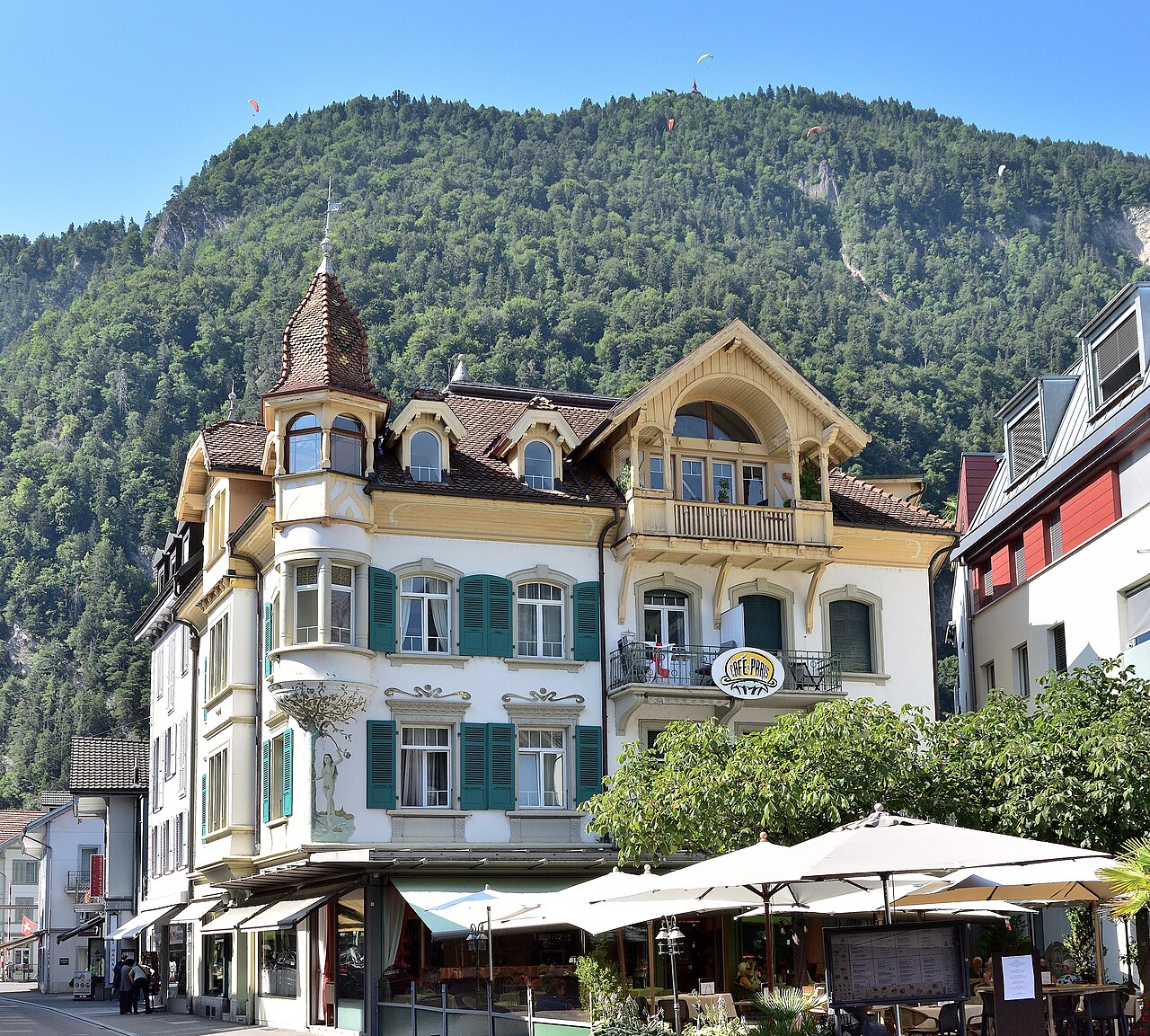
Interlaken and the Jungfrau Region is one of the standout places to visit in Switzerland. Between two lakes and under the Eiger, Monch and Jungfrau, Switzerland’s alpine classic. Plan on 3–5 days. Fly into Zurich Airport (ZRH) or Bern Airport (BRN), which is about 155 km from the centre. The best months are May, June, July, August, and September. A mid-range budget is around $300 per person per day (from about $140 on a tight budget to $650+ for luxury).
About Interlaken and the Jungfrau Region
Interlaken sits on a narrow strip of land between Lake Thun and Lake Brienz, a base for the Bernese Oberland. From here, cogwheel trains climb to the Jungfraujoch and valleys like Lauterbrunnen and Grindelwald offer waterfalls, villages and cliffs. It is expensive but spectacular, with superb public transport.
Key facts
- Country: Switzerland
- Ideal stay: 3–5 days
- Best time: June–September for hiking and open lifts; December–March for skiing. Spring and late autumn have reduced services.
- Currency: Swiss franc (CHF)
- Language: German · French · English widely spoken
- Time zone: Europe/Zurich (UTC+1/+2)
- Power plugs: Type J · 230 V
- Entry requirements: Switzerland is in the Schengen area but not the EU. Many nationalities are visa-free for 90 days. Check official sources.
How to get to Interlaken and the Jungfrau Region
- Fly into Zurich (ZRH) or Geneva.
- Take Swiss trains to Interlaken Ost or West.
- Local railways continue to Lauterbrunnen, Wengen and Grindelwald.
Airports
ZRH: Zurich Airport, 155 km from Interlaken and the Jungfrau Region. Largest international airport, with rail links across Switzerland. Getting from the airport: Swiss rail (SBB) (2 h 10 min to 2 h 30 min, ~$60–80).
BRN: Bern Airport, 55 km from Interlaken and the Jungfrau Region. Small airport with limited European flights. Getting from the airport: Bus then train via Bern (1 h 15 min, ~$25–40).
Getting around
Trains, cogwheel railways, buses and boats link everything. The Swiss Travel Pass or Berner Oberland Pass cover many routes but not all mountain trains. Reserve scenic trains in peak season.
Best time to go
The best months to visit Interlaken and the Jungfrau Region are May, June, July, August, and September. January, February, March, April, October, and December are also a good choice. Daytime highs average about 24°C in July and 3°C in January. Expect frequent rain in April, May, June, July, August, and September. June–September for hiking and open lifts; December–March for skiing. Spring and late autumn have reduced services.
Top things to do in Interlaken and the Jungfrau Region
- Jungfraujoch (Top of Europe) (Full day, ~$220–250): Train to Europe’s highest railway station at 3,454 m with glacier views. Check the weather before booking.
- Lauterbrunnen Valley (Half to full day, Trummelbach ~$16–20): A valley of 70-odd waterfalls, including Staubbach Falls and Trummelbach Falls.
- Harder Kulm viewpoint (2–3 h, ~$40–45): Funicular from Interlaken to a platform above both lakes.
- Lake Brienz cruise (3–4 h, ~$30–45): Steamer to Iseltwald and the Giessbach Falls.
- Grindelwald First (4–5 h, ~$70–80): Cable car and cliff walk with views of the Eiger north face.
- Schynige Platte railway (Half day, ~$70–90): Vintage cogwheel train to an alpine botanical garden and panoramic hikes.
Where to stay
- Interlaken town: Convenient base with transport and restaurants.
- Lauterbrunnen / Wengen: Dramatic valley scenery; Wengen is car-free.
- Grindelwald: Mountain-village feel with views of the Eiger, great for hikers and skiers.
What to eat and drink
- Cheese fondue: Melted cheese with bread, a mountain classic.
- Rosti: Crisp grated potato cake with toppings.
- Swiss chocolate: Buy from local confectioners and supermarkets for better prices.
Travel tips for Interlaken and the Jungfrau Region
- Check live webcams and forecast before buying Jungfraujoch tickets.
- Book mountain train times in summer weekends.
- Pack layers; weather changes quickly at altitude.
- Supermarkets (Coop, Migros) are cheaper for picnic lunches.
Good to know
- Altitude at Jungfraujoch can cause headaches and breathlessness; go slowly.
- Trail and lift closures happen with snow and landslide risk. Check status before going.
Daily budget
Budget travellers can get by on about $140 per day, mid-range travellers should plan for around $300, and luxury travel starts around $650 per person per day, excluding flights.
More places like Interlaken and the Jungfrau Region
- Lake Bled, Slovenia: A fairy-tale island church on an alpine lake beneath a clifftop castle.
- Bergen & the Fjords, Norway: A colourful Hanseatic harbour town that is the gateway to Norway's deepest fjords.
- Brasov & Transylvania, Romania: Saxon towns, Carpathian peaks and castles that inspired Dracula legends.
- Andorra la Vella, Andorra: A Pyrenean microstate of ski slopes, hot springs and duty-free shopping.
- Sofia, Bulgaria: A relaxed capital of Orthodox domes, Roman ruins and Mount Vitosha at its doorstep.
- Kotor & the Bay, Montenegro: A medieval walled town at the end of Europe's southernmost fjord-like bay.
Prices, times and entry rules are approximate guides. Confirm them with official sources before you book.