Majuro Atoll, Marshall Islands
A narrow ribbon of coral between ocean and lagoon, with strong Pacific culture and WWII history nearby.
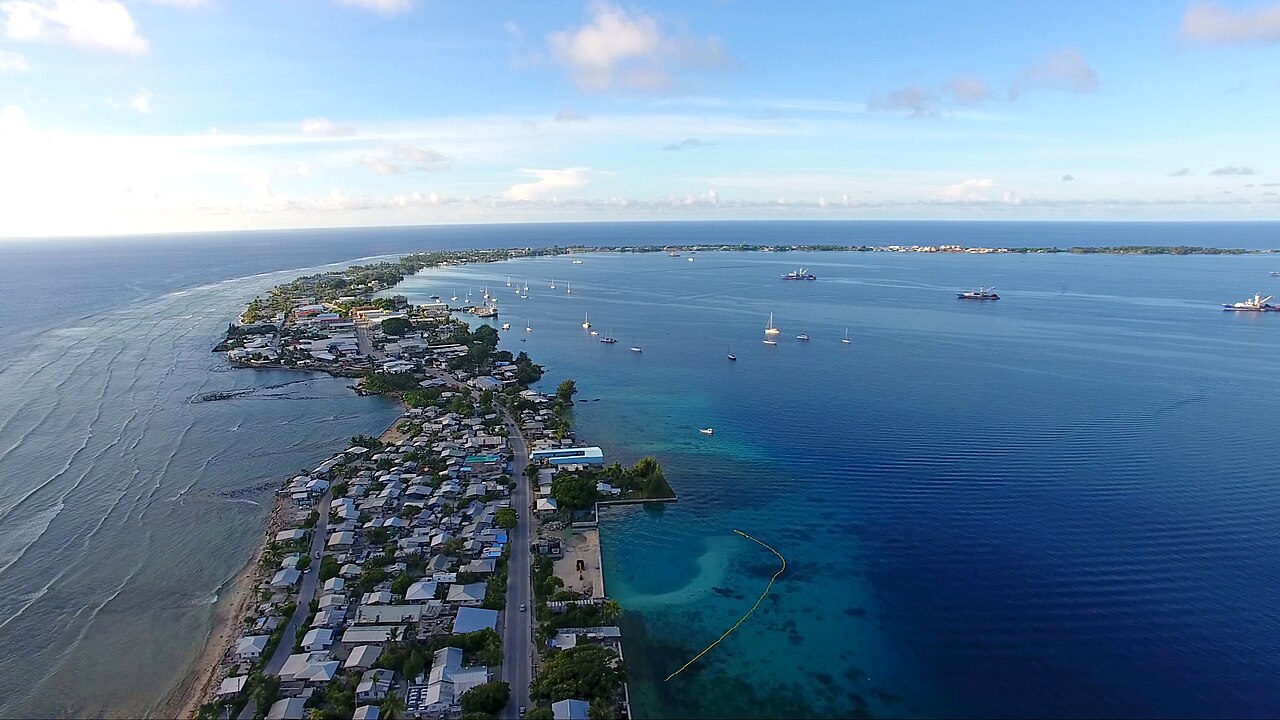
Majuro Atoll is one of the standout places to visit in Marshall Islands. A narrow ribbon of coral between ocean and lagoon, with strong Pacific culture and WWII history nearby. Plan on 3-5 days. Fly into Marshall Islands International (Amata Kabua) (MAJ), which is about 5 km from the centre. The best months are January, February, March, and April. A mid-range budget is around $170 per person per day (from about $90 on a tight budget to $330+ for luxury).
About Majuro Atoll
Majuro Atoll is the capital of the Republic of the Marshall Islands, a strip of land enclosing a big lagoon. Visitors come for diving, fishing, snorkelling and a look at local life. For history-focused divers, Bikini Atoll and Kwajalein are better known, but they require special permission or trips.
Key facts
- Country: Marshall Islands
- Ideal stay: 3-5 days
- Best time: December-April is drier with trade winds. May-November is wetter, with higher humidity.
- Currency: United States dollar (USD)
- Language: Marshallese · English
- Time zone: Pacific/Majuro (UTC+12)
- Power plugs: Type A/B · 120 V
- Entry requirements: Many nationalities can enter visa-free or get entry on arrival for a limited stay. Check official Marshall Islands sources.
How to get to Majuro Atoll
- Fly into Majuro (MAJ), via Honolulu, Guam or other Pacific connections.
- Book hotels in advance; capacity is small.
- Allow flexibility for flight changes, which can be frequent.
Airports
MAJ: Marshall Islands International (Amata Kabua), 5 km from Majuro Atoll. Main international airport with island-hopper and regional flights. Getting from the airport: Taxi (~10-15 min to Delap/Uliga, ~$5-10).
Getting around
A single main road runs the length of the inhabited part of the atoll. Shared taxis are the main transport and cost a flat fare per ride.
Best time to go
The best months to visit Majuro Atoll are January, February, March, and April. May, November, and December are also a good choice. Daytime highs average about 30°C in January and 30°C in January. Expect very wet in October and November. December-April is drier with trade winds. May-November is wetter, with higher humidity.
Top things to do in Majuro Atoll
- Majuro Lagoon snorkelling and diving (Half day, ~$60-150): Calm waters and reefs near the town; arrange with local operators.
- Laura Beach (Half day, Free): Sandy beach at the western end of the atoll, with picnic spots.
- Alele Museum (1 h, ~$5-10): Small museum on Marshallese culture, canoes and wartime history.
- Uliga and Delap (2 h, Free): Local markets, churches and daily life along the main road.
- Traditional canoe sailing (2 h, Varies): Visit canoe builders and learn about Marshallese navigation.
- Outer atoll or Bikini diving (planned trips) (Several days, High): Long-lead expeditions with permissions: contact operators far in advance.
Where to stay
- Delap: Hotels and shops near the capital centre.
- Uliga: Government and market area.
- Laura: Quiet end of the atoll with beaches.
What to eat and drink
- Fresh tuna and reef fish: Raw, grilled or fried with rice.
- Pandanus and breadfruit: Traditional staples, often cooked in coconut.
- Coconut crab: Delicacy served on special occasions.
Travel tips for Majuro Atoll
- Dress modestly outside beaches; Marshallese society is conservative.
- Bring cash and USD small notes.
- Water must be treated or bottled: ask your hotel.
- Respect local land customs and ask before swimming near villages.
Good to know
- The atolls are low-lying and vulnerable to storms and king tides.
- Health facilities are limited: carry insurance with medical evacuation.
Daily budget
Budget travellers can get by on about $90 per day, mid-range travellers should plan for around $170, and luxury travel starts around $330 per person per day, excluding flights.
More places like Majuro Atoll
- Honiara and Guadalcanal, Solomon Islands: World War II history, remote reefs and traditional island life reached through the capital.
- South Tarawa, Kiribati: Remote atoll life, WWII relics and world-class fishing in one of the least visited countries.
- Madang, Papua New Guinea: Coral reefs, WWII wrecks and rainforest islands along the north coast of New Guinea.
- Pohnpei, Micronesia: Mysterious Nan Madol ruins, rainforest waterfalls and surf on a green volcanic island.
- Funafuti Atoll, Tuvalu: One of the smallest and least visited nations, with a lagoon, conservation area and a runway that doubles as a village green.
- Upolu and Apia, Samoa: Waterfalls, swimming holes and relaxed fa'a Samoa village life on the main island of Upolu.
Prices, times and entry rules are approximate guides. Confirm them with official sources before you book.