Mauritius, Mauritius
Lagoon beaches, Le Morne’s dramatic mountain and a mix of Indian, African, French and Chinese cultures.
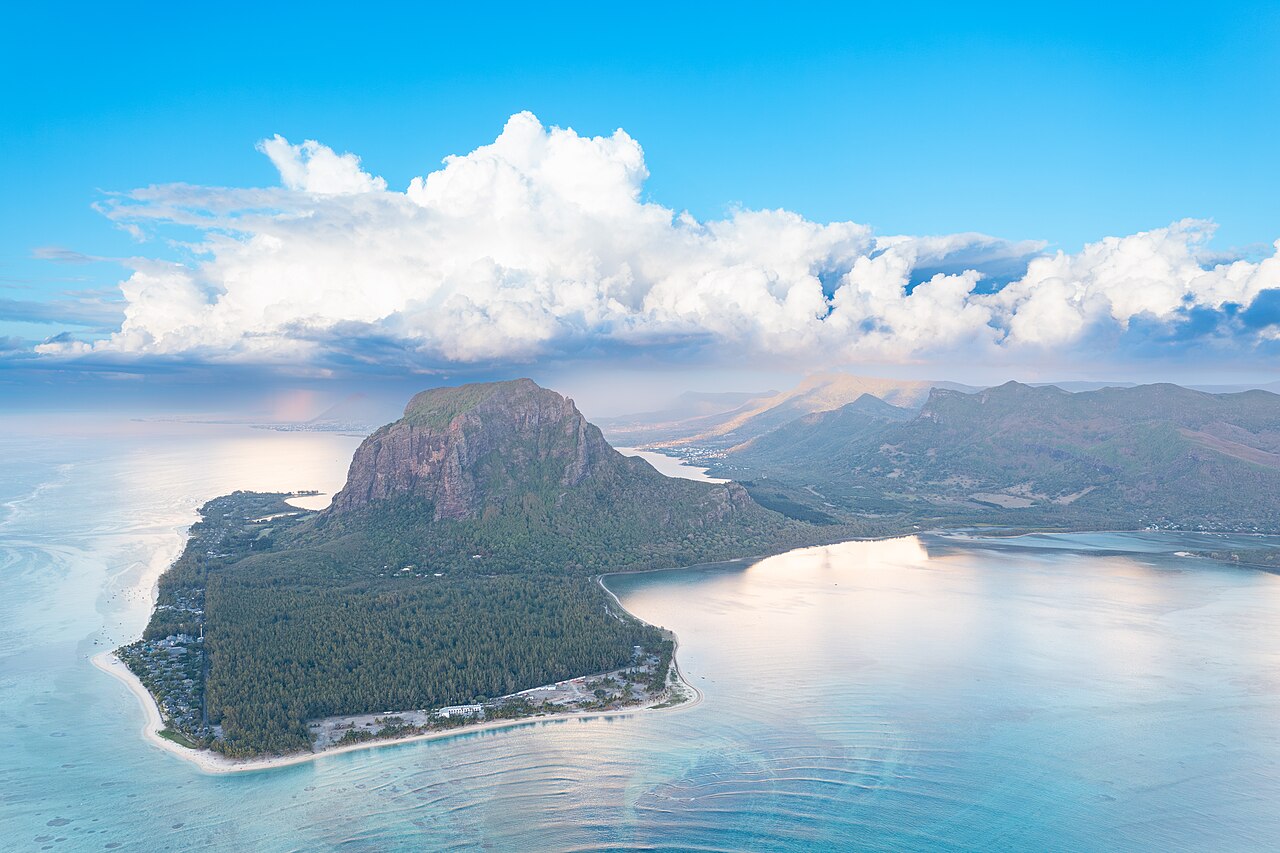
Mauritius is one of the standout places to visit in Mauritius. Lagoon beaches, Le Morne’s dramatic mountain and a mix of Indian, African, French and Chinese cultures. Plan on 5-8 days. Fly into Sir Seewoosagur Ramgoolam International (MRU), which is about 45 km from the centre. The best months are May, June, September, October, and November. A mid-range budget is around $170 per person per day (from about $70 on a tight budget to $500+ for luxury).
Government travel advice: Exercise increased caution. US State Department level 2, Government of Canada level 1, UK FCDO level 1. Read the official advice before you plan.
About Mauritius
Mauritius is a volcanic island ringed by coral reefs, with white beaches and a mountainous interior. Le Morne Brabant, UNESCO-listed, holds a story of escaped slaves. Hindu temples, Creole villages, sugar estates and Chinese pagodas make the culture as varied as the scenery.
Key facts
- Country: Mauritius
- Ideal stay: 5-8 days
- Best time: May-June and September-December: mild, dry and sunny. January-March is hot, humid and cyclone-prone.
- Currency: Mauritian rupee (MUR)
- Language: English (official) · French · Mauritian Creole
- Time zone: Indian/Mauritius (UTC+4)
- Power plugs: Type C/G · 230 V
- Entry requirements: Many nationalities are visa-free for up to 90 days, with an online arrival form. Check official sources.
How to get to Mauritius
- Fly into Mauritius (MRU).
- Take a transfer to your chosen coast.
- Rent a car or driver for island exploring.
Airports
MRU: Sir Seewoosagur Ramgoolam International, 45 km from Mauritius. Only international airport, in the southeast. Getting from the airport: Taxi / pre-booked transfer (45-90 min, ~$40-80); Bus (2-3 h, ~$2-3).
Getting around
Buses reach most towns and are cheap but slow. Taxis and car hire with driver are common. Driving is on the left.
Best time to go
The best months to visit Mauritius are May, June, September, October, and November. April, July, August, and December are also a good choice. Daytime highs average about 31°C in February and 25°C in July. Expect very wet in January, February, and March. May-June and September-December: mild, dry and sunny. January-March is hot, humid and cyclone-prone.
Top things to do in Mauritius
- Le Morne Brabant (3-4 h hike, Free; guide ~$30): Dramatic mountain and peninsula, with a sunrise hike and kite-surfing lagoon.
- Black River Gorges National Park (3-5 h, Free): Forest hikes with waterfalls, endemic birds and viewpoints.
- Chamarel Seven Coloured Earths (2 h, ~$10-15): Dunes with colour bands and the nearby Chamarel Waterfall.
- Port Louis Central Market (2 h, Free): Spices, street food and handicrafts, plus Caudan Waterfront.
- Ile aux Cerfs (Full day, ~$30-80): Island lagoon day trip with beaches and water sports.
- Grand Bassin (Ganga Talao) (1.5 h, Free): Sacred Hindu crater lake with large Shiva statue.
- Pamplemousses Botanical Garden (1.5 h, ~$5): Historic garden with giant water lilies.
Where to stay
- Grand Baie: Lively north coast with restaurants and nightlife.
- Le Morne: Scenic southwest with kite-surfing and luxury resorts.
- Flic en Flac: West coast beach town with good diving.
What to eat and drink
- Dholl puri: Split-pea flatbread wrap with curry, a street-food staple.
- Gateaux piments: Spiced split-pea fritters.
- Creole fish and rougaille: Fish in tomato-based Creole sauce.
Travel tips for Mauritius
- Try street food in Port Louis.
- Book resorts early for December-January.
- Pack reef-safe sunscreen.
- Beaches in the north can be windier in winter.
Good to know
- Cyclone season runs January-March. Check forecasts and insurance.
- Beach vendors and touts can be persistent. Be firm.
Daily budget
Budget travellers can get by on about $70 per day, mid-range travellers should plan for around $170, and luxury travel starts around $500 per person per day, excluding flights.
More places like Mauritius
- Mahe & Praslin, Seychelles: Granite boulders, powder-white beaches and lush jungle in the Indian Ocean.
- Bijagós Archipelago, Guinea-Bissau: A UNESCO biosphere reserve of remote islands, sea turtles and ancestral culture.
- Tunis & Carthage, Tunisia: A walled medina, Roman ruins by the sea and a blue-and-white clifftop village.
- Bujumbura, Burundi: A lakeside capital on Lake Tanganyika, with beaches, hippos and few tourists.
- Moroni & Grande Comore, Comoros: A volcanic island with an Arab-Swahili old harbour and one of the largest active volcanoes in the world.
- Cape Town, South Africa: A mountain, two oceans and vineyards, all within an hour of the city.
Prices, times and entry rules are approximate guides. Confirm them with official sources before you book.