Muscat, Oman
A white-walled coastal capital between rugged mountains and the Gulf of Oman.
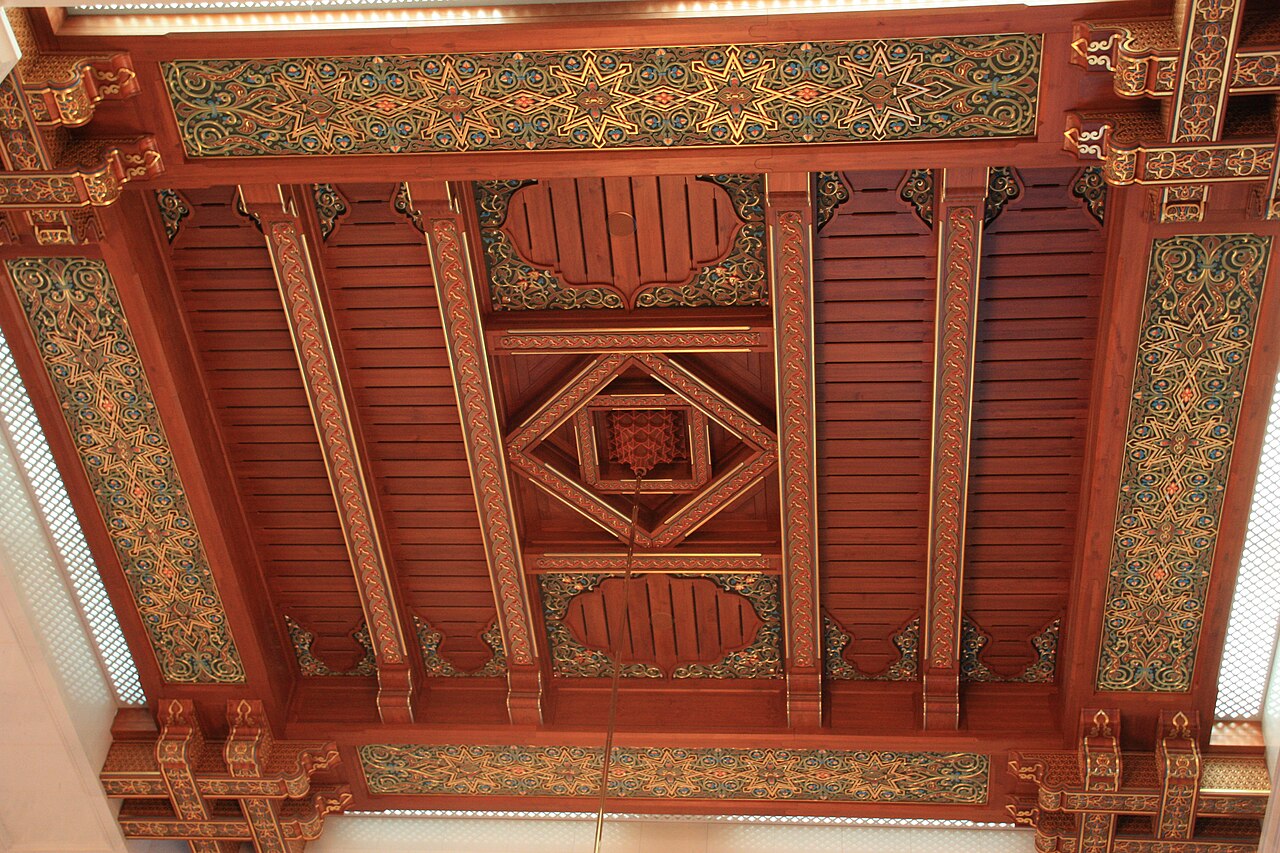
Muscat is one of the standout places to visit in Oman. A white-walled coastal capital between rugged mountains and the Gulf of Oman. Plan on 3-5 days. Fly into Muscat International (MCT), which is about 30 km from the centre. The best months are January, February, March, November, and December. A mid-range budget is around $190 per person per day (from about $80 on a tight budget to $480+ for luxury).
Government travel advice: Reconsider travel. US State Department level 3, Government of Canada level 3, UK FCDO level 1. Read the official advice before you plan.
About Muscat
Muscat is a low-rise, whitewashed capital strung between mountains and sea, with strict building rules that keep it uncluttered. Highlights include the Sultan Qaboos Grand Mosque, the Muttrah Corniche and souq, and old forts. The coast offers snorkelling and wadis, while forts and mountain towns lie a short drive inland.
Key facts
- Country: Oman
- Ideal stay: 3-5 days
- Best time: October-April: warm and sunny. Summer is very hot.
- Currency: Omani rial (OMR)
- Language: Arabic · English widely spoken
- Time zone: Asia/Muscat (UTC+4)
- Power plugs: Type G · 240 V
- Entry requirements: Many nationalities can enter visa-free for a short stay or get an e-visa. Check the official Oman portal for your passport.
How to get to Muscat
- Fly into Muscat International (MCT).
- Taxi to Muttrah, Qurum or Al Bustan.
- Rent a car for day trips along the coast and into the mountains.
Airports
MCT: Muscat International, 30 km from Muscat. Main gateway. Getting from the airport: Taxi (25-40 min, ~$12-20); Public bus (~1 h, ~$1-2).
Getting around
Public transport is limited. Taxis and ride-hailing work in town; a rental car is best for wadis and day trips.
Best time to go
The best months to visit Muscat are January, February, March, November, and December. April and October are also a good choice. June, July, and August are usually best avoided because of the weather or crowds. Daytime highs average about 38°C in May and 25°C in January. October-April: warm and sunny. Summer is very hot.
Top things to do in Muscat
- Sultan Qaboos Grand Mosque (1.5 h, Free): Large mosque open to non-Muslims in the morning; modest dress required.
- Muttrah Souq and Corniche (2 h, Free): Traditional covered market with frankincense, silver and textiles, beside a waterfront walk.
- Royal Opera House Muscat (1 h, ~$5-15): Impressive performing arts venue; guided tours and evening performances.
- Al Jalali and Al Mirani forts (1 h, Free): Portuguese-era forts flanking the Sultan palace, viewable from outside.
- Wadi Shab (Half-full day, ~$20-60): Day trip: a swim and walk through a canyon to a hidden cave pool, about 1.5 h from Muscat.
- Bimmah Sinkhole (1 h, Free-low): Turquoise swimming hole on the coast road toward Sur.
Where to stay
- Muttrah: Corniche, souq and budget to mid-range options.
- Qurum: Beach, restaurants and mid-range hotels.
- Al Bustan: Resort area south of the old town.
What to eat and drink
- Shuwa: Marinated lamb slow-cooked underground, a festive dish.
- Omani halwa: Sticky sweet made with sugar, ghee and spices.
- Kahwa: Cardamom-spiced coffee served with dates.
Travel tips for Muscat
- Visit the Grand Mosque in the morning and cover arms and legs; women cover hair.
- Rent a car with good insurance for wadi trips.
- Bring water shoes for wadis.
- Check flash flood forecasts before visiting wadis.
Good to know
- Wadis can flash flood after rain; heed warnings and local advice.
- Summer heat is intense and sea currents can be strong at some beaches.
Daily budget
Budget travellers can get by on about $80 per day, mid-range travellers should plan for around $190, and luxury travel starts around $480 per person per day, excluding flights.
More places like Muscat
- Dubai, United Arab Emirates: Record-breaking skyscrapers, desert dunes and souks on one glittering Gulf coastline.
- Doha, Qatar: A skyline of museums and towers where dhows meet desert dunes.
- Damascus, Syria: One of the oldest continuously inhabited cities, with a famed Old City and Umayyad Mosque.
- Erbil, Iraq: A citadel city on a mound inhabited for thousands of years, capital of Iraqi Kurdistan.
- Isfahan, Iran: Persia at its most elegant: blue-tiled mosques, vast squares and graceful bridges.
- Petra & Wadi Rum, Jordan: A rose-red city carved into the desert cliffs, and Mars-like landscapes nearby.
Prices, times and entry rules are approximate guides. Confirm them with official sources before you book.