Seoul, South Korea
Palaces, street markets, K-culture and mountain trails in one dynamic megacity.
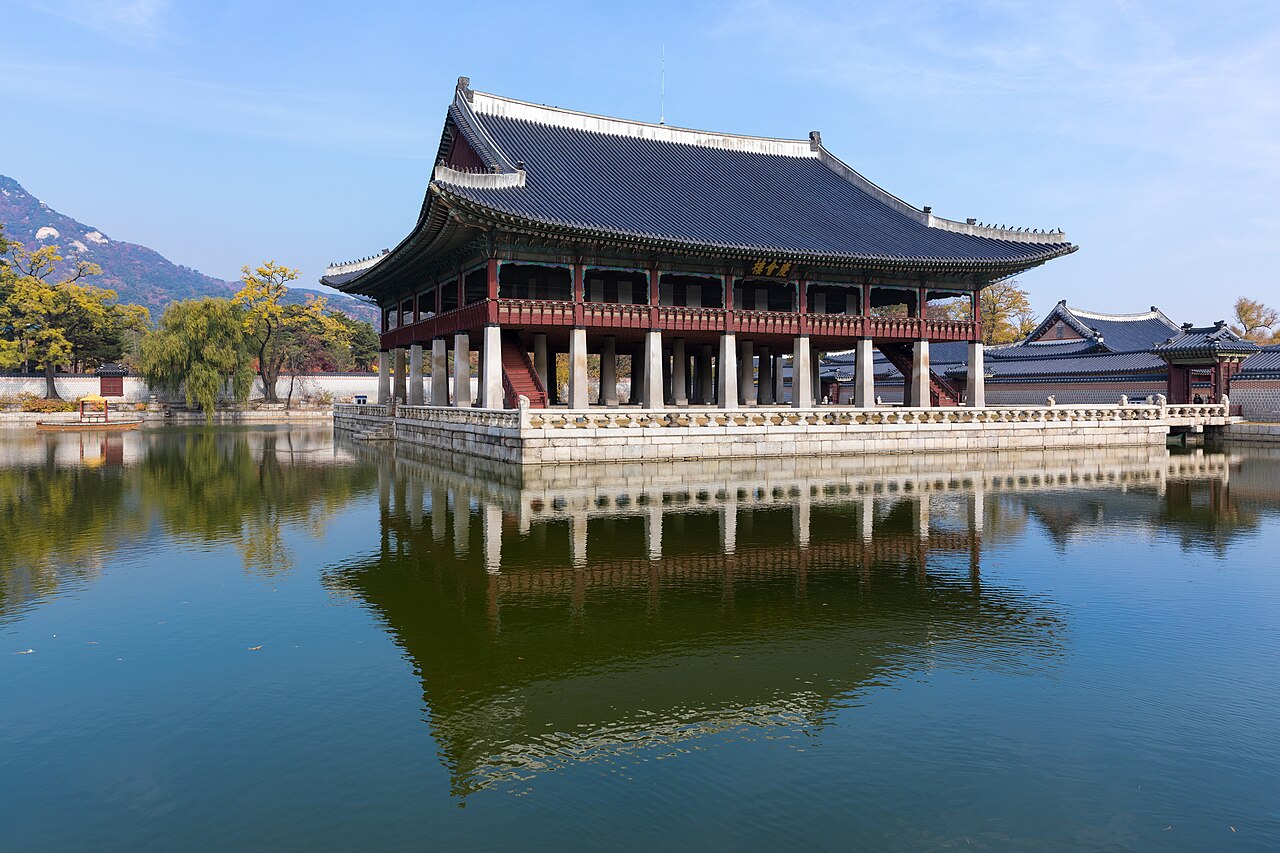
Seoul is one of the standout places to visit in South Korea. Palaces, street markets, K-culture and mountain trails in one dynamic megacity. Plan on 4-5 days. Fly into Incheon International (ICN) or Gimpo International (GMP), which is about 50 km from the centre. The best months are April, May, September, and October. A mid-range budget is around $140 per person per day (from about $60 on a tight budget to $330+ for luxury).
About Seoul
Seoul layers 600 years of Joseon dynasty heritage against skyscrapers and 24-hour street life. Palaces and hanok villages sit a short subway ride from neon districts. Mountains such as Bukhansan lie within city limits, and the DMZ is a half-day trip away.
Key facts
- Country: South Korea
- Ideal stay: 4-5 days
- Best time: April-May (blossom) and September-October (autumn colour) are best. Summers are hot, humid and rainy; winters are cold and dry.
- Currency: South Korean won (KRW)
- Language: Korean · English signage on transport and at tourist sites
- Time zone: Asia/Seoul (UTC+9)
- Power plugs: Type C/F · 220 V
- Entry requirements: Many nationalities can enter visa-free for a limited stay, though an electronic travel authorisation (K-ETA) may apply. Check official Korean sources.
How to get to Seoul
- Fly into Incheon (ICN) and take AREX to Seoul Station.
- Buy or load a T-money transit card at the airport.
- Book DMZ tours well ahead; they can be cancelled with little notice.
Airports
ICN: Incheon International, 50 km from Seoul. Main international hub on an island west of Seoul. Getting from the airport: AREX express train (~45 min to Seoul Station, ~$7-10); Limousine bus (60-90 min, ~$10-15).
GMP: Gimpo International, 18 km from Seoul. Mainly domestic plus some short international routes (Tokyo, Osaka, Shanghai). Getting from the airport: Subway Line 9 / AREX (25-40 min, ~$1.50).
Getting around
Subway coverage is excellent with English announcements. Buses and taxis are cheap. Kakao T is the main taxi app; Naver Map and Kakao Map work better than Google Maps for directions.
Best time to go
The best months to visit Seoul are April, May, September, and October. March and November are also a good choice. July is usually best avoided because of the weather or crowds. Daytime highs average about 31°C in August and 2°C in January. Expect very wet in July and August. April-May (blossom) and September-October (autumn colour) are best. Summers are hot, humid and rainy; winters are cold and dry.
Top things to do in Seoul
- Gyeongbokgung Palace (2-3 h, ~$2-3): Main Joseon palace with a changing-of-the-guard ceremony. Wearing hanbok gives free entry.
- Bukchon Hanok Village (1-2 h, Free): Traditional wooden houses on hillside lanes; residents live here, so keep quiet.
- Namsan Tower (N Seoul Tower) (2 h, ~$10-15 for observatory): Hilltop tower with city views, reached by cable car or on foot.
- Gwangjang Market (1-1.5 h, ~$8-15 for food): Historic market for bindaetteok, mayak gimbap and tteokbokki.
- Changdeokgung and Secret Garden (2-3 h, ~$3-8): UNESCO-listed palace; the garden is visited on guided tours.
- DMZ tour (Half-full day, ~$50-90): Guided tours visit the Korean Demilitarized Zone and the Joint Security Area, subject to access and security conditions. Book ahead.
Where to stay
- Myeongdong: Central, lots of shops and street food. Good transport links.
- Hongdae: Youthful, indie music, cafes and nightlife near Hongik University.
- Insadong / Jongno: Close to palaces, tea houses and hanok guesthouses.
What to eat and drink
- Korean barbecue (samgyeopsal): Grilled pork belly wrapped in lettuce with garlic and ssamjang.
- Bibimbap: Rice with vegetables, egg and gochujang.
- Tteokbokki: Chewy rice cakes in spicy-sweet red sauce, a street staple.
Travel tips for Seoul
- Tap in and out with T-money on subways and buses.
- Many restaurants serve only two or more people for barbecue dishes.
- Tipping is not customary.
- Palaces are closed one day a week, often Tuesday: check before going.
Good to know
- Summer monsoon (July) brings heavy rain and humidity; typhoons are possible in late summer.
- Spring dust and fine-particle pollution can reduce air quality on some days.
Daily budget
Budget travellers can get by on about $60 per day, mid-range travellers should plan for around $140, and luxury travel starts around $330 per person per day, excluding flights.
More places like Seoul
- Beijing, China: Imperial palaces, hutong alleys and the Great Wall within a day trip of a 21-million-person capital.
- Taipei, Taiwan: Night markets, hot springs and temples in a friendly, easy-to-navigate capital.
- Yerevan, Armenia: The pink city beneath Mount Ararat, with ancient monasteries nearby.
- Baku, Azerbaijan: A Caspian-shore capital where a walled medieval core meets glass towers.
- Kyoto, Japan: Thousand-year-old temples, geisha lanes and the seasons made into an art form.
- Pyongyang, North Korea: A tightly controlled capital of monuments, only visitable on official, escorted tours when borders allow.
Prices, times and entry rules are approximate guides. Confirm them with official sources before you book.