Djenné, Mali
Home of the world's largest mud-brick building, in a country currently under severe travel warnings.
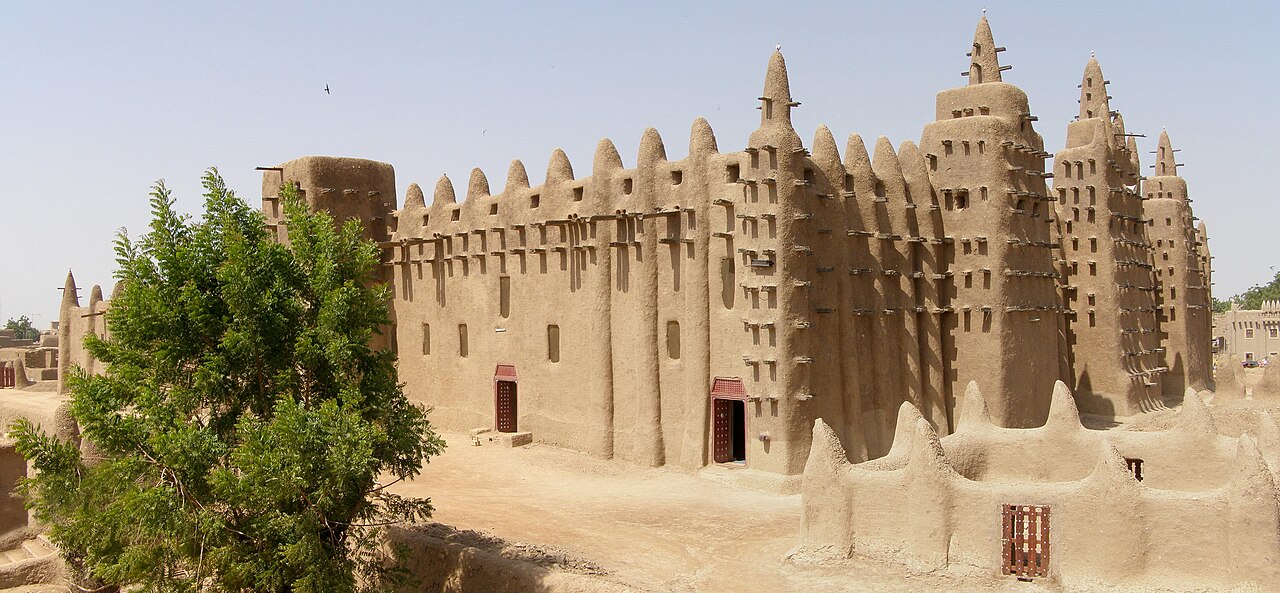
Djenné is one of the standout places to visit in Mali. Home of the world's largest mud-brick building, in a country currently under severe travel warnings. Plan on 2–3 days. Fly into Modibo Keita International (Bamako) (BKO), which is about 450 km from the centre. The best months are November and December. A mid-range budget is around $90 per person per day (from about $40 on a tight budget to $200+ for luxury).
Government travel advice: Do not travel. US State Department level 4, Government of Canada level 4, UK FCDO level 4. Read the official advice before you plan.
About Djenné
Djenné is an ancient trading town on an island in the Niger inland delta, famous for its Great Mosque, the largest mud-brick building in the world. The town and the mosque are on the UNESCO World Heritage list. Mali has faced armed conflict, kidnapping and instability for years, and most governments advise against all or nearly all travel. This entry is for information only.
Key facts
- Country: Mali
- Ideal stay: 2–3 days
- Best time: November to February is coolest and driest. March to June is extremely hot; July to September is the rainy season.
- Currency: West African CFA franc (XOF)
- Language: French · Bambara, Songhay
- Time zone: Africa/Bamako (UTC+0)
- Power plugs: Type C/E · 230 V
- Entry requirements: A visa is generally required and rules change often. Check official sources and your government advisory before any planning.
How to get to Djenné
- Check your government travel advisory first. Many governments advise against all travel to Mali.
- If travel is ever advised, fly into Bamako and arrange vetted ground transport.
- Do not rely on anecdotal reports; conditions on roads change quickly.
Airports
BKO: Modibo Keita International (Bamako), 450 km from Djenné. Only practical international gateway. Overland travel to Djenné is the main hazard. Getting from the airport: Private car with driver (7–9 h to Djenné, ~$150–300); Shared bus / bush taxi (8–12 h, ~$15–25).
Getting around
Djenné is small and walkable. Ferries cross the Bani river on the road in. Journeys between towns have been affected by armed groups and checkpoints.
Best time to go
The best months to visit Djenné are November and December. January, February, and October are also a good choice. April, May, June, July, and August are usually best avoided because of the weather or crowds. Daytime highs average about 41°C in April and 31°C in August. Expect very wet in July and August. November to February is coolest and driest. March to June is extremely hot; July to September is the rainy season.
Top things to do in Djenné
- Great Mosque of Djenné (1 h, Free): Sudano-Sahelian mud architecture, rebuilt in 1907. Non-Muslims are not allowed inside; admire it from outside.
- Monday market (2–3 h, Free): Weekly market in front of the mosque, the most atmospheric time to visit, when conditions allow.
- Old town and Djenné-Djeno (2 h, ~$5–10 guide): Mud-brick houses, and ruins of an older city nearby.
- Annual mosque replastering (Day, Free): Community festival to re-coat the mosque with mud, held yearly; timing varies.
- Bani and Niger river villages (Half day, ~$15–30): Pirogue trips to nearby villages.
Where to stay
- Djenné old town: A few small guesthouses in traditional buildings when open.
- Near the Grand Marché: Simple accommodation close to the mosque.
- Bamako (Hamdallaye / ACI 2000): Hotels in the capital for onward travel.
What to eat and drink
- Riz gras: Rice cooked in tomato and meat broth.
- Tigadèguèna: Peanut-based sauce with meat, served with rice.
- Bissap or ginger juice: Sweet cold drinks sold on the street.
Travel tips for Djenné
- Take only essential documents and a satellite phone if you are ever authorised to go.
- Dress modestly and respect local religious customs.
- Ask permission before photographing people or the mosque.
- Check vaccination needs, including yellow fever.
Good to know
- WARNING: Many governments advise against all or most travel to Mali due to terrorism, kidnapping, armed conflict and banditry. Check current government travel advisories before considering any trip.
- Consular help is very limited, roads are unsafe and insurance often excludes Mali.
Daily budget
Budget travellers can get by on about $40 per day, mid-range travellers should plan for around $90, and luxury travel starts around $200 per person per day, excluding flights.
More places like Djenné
- Asmara, Eritrea: A highland capital of Italian modernist architecture, frozen in time and UNESCO-listed.
- Agadez, Niger: A Saharan caravan city with a landmark mud-brick mosque, under severe travel warnings.
- Cairo & Giza, Egypt: The last surviving wonder of the ancient world, beside one of the biggest cities in Africa.
- Tunis & Carthage, Tunisia: A walled medina, Roman ruins by the sea and a blue-and-white clifftop village.
- Algiers, Algeria: A white city stacked above the Mediterranean, with a historic Casbah and Roman ruins nearby.
- Lalibela, Ethiopia: Eleven medieval churches carved down into solid rock, still used for worship today.
Prices, times and entry rules are approximate guides. Confirm them with official sources before you book.