Dublin, Ireland
A compact, friendly capital of literary heritage, lively pubs and easy access to Irish landscapes.
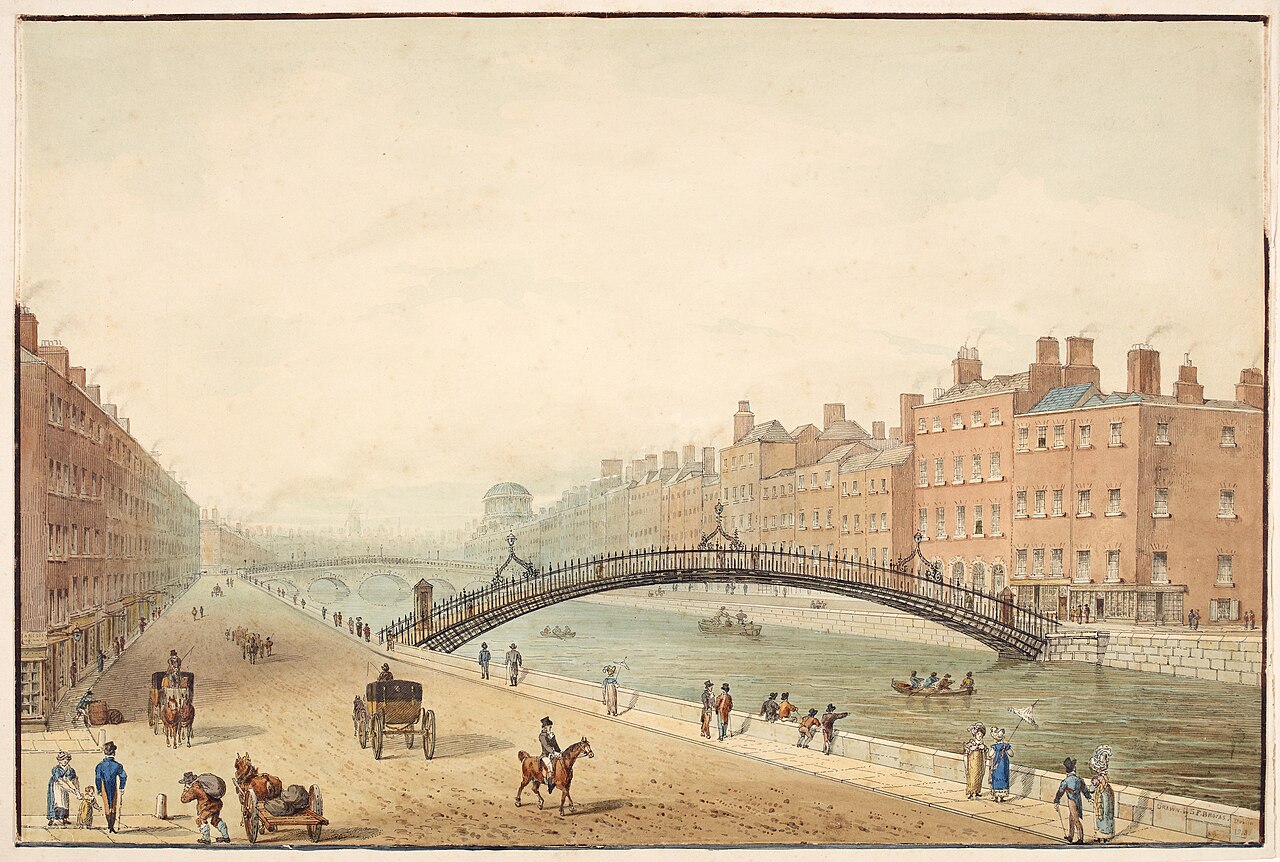
Dublin is one of the standout places to visit in Ireland. A compact, friendly capital of literary heritage, lively pubs and easy access to Irish landscapes. Plan on 2–4 days. Fly into Dublin Airport (DUB), which is about 11 km from the centre. The best months are April, May, June, July, August, and September. A mid-range budget is around $210 per person per day (from about $95 on a tight budget to $450+ for luxury).
About Dublin
Dublin sits on the River Liffey at the edge of a bay, with Georgian squares, cobbled Temple Bar and a literary reputation produced by writers like Joyce, Wilde and Beckett. The centre is walkable, and day trips reach coast, mountains and ancient sites in under an hour or two. Expect warm conversation more than grand monuments.
Key facts
- Country: Ireland
- Ideal stay: 2–4 days
- Best time: May–September for the longest days and mildest weather. Winter is short on daylight but cosy for pubs and music.
- Currency: Euro (EUR)
- Language: English · Irish (Gaeilge)
- Time zone: Europe/Dublin (UTC+0/+1)
- Power plugs: Type G · 230 V
- Entry requirements: Many nationalities are visa-free for short stays, but Ireland is outside Schengen with its own rules. Check official sources.
How to get to Dublin
- Fly into Dublin Airport (DUB).
- Take the bus or taxi to the centre.
- Ferries from Wales and England arrive at Dublin Port.
Airports
DUB: Dublin Airport, 11 km from Dublin. Main gateway, with transatlantic and European flights and US preclearance. Getting from the airport: Airlink / Dublin Express bus (30–45 min, ~$8–10); Taxi (25–45 min, ~$35–50).
Getting around
The centre is compact and walkable. Luas trams and Dublin Bus cover the city; the DART runs along the coast. A Leap Card gives cheaper fares.
Best time to go
The best months to visit Dublin are April, May, June, July, August, and September. March and October are also a good choice. Daytime highs average about 19°C in July and 8°C in January. May–September for the longest days and mildest weather. Winter is short on daylight but cosy for pubs and music.
Top things to do in Dublin
- Trinity College and Book of Kells (1.5–2 h, ~$22–30): Illuminated manuscript and the spectacular Long Room library. Pre-book a timed slot.
- Guinness Storehouse (2 h, ~$30–40): Seven floors on the brewing story, finishing with a pint at the Gravity Bar.
- Kilmainham Gaol (1.5 h, ~$8–10): Historic prison tied to Irish independence. Tours sell out, so book ahead.
- Phoenix Park (2 h, Free): One of Europe’s largest enclosed city parks, with wild fallow deer and Dublin Zoo.
- Howth cliff walk (Half day, ~$5 train): Take the DART train to a fishing village and walk coastal paths with sea views.
- Live traditional music session (Evening, Free (buy a drink)): Skip the busiest Temple Bar venues and try pubs such as The Cobblestone in Smithfield.
Where to stay
- Georgian Dublin (around St Stephen’s Green): Elegant, central and walkable to major sights.
- Smithfield / Stoneybatter: More local atmosphere, good pubs and slightly lower prices.
- Ballsbridge: Quieter and leafy with good transport links.
What to eat and drink
- Irish stew: Slow-cooked lamb or mutton with potatoes and root vegetables.
- Guinness: The iconic stout, often best poured in a busy local pub.
- Full Irish breakfast: Sausages, rashers, black and white pudding, eggs and soda bread.
Travel tips for Dublin
- Book the Book of Kells and Kilmainham Gaol in advance.
- A Leap Card saves money on buses, Luas and DART.
- Pubs outside Temple Bar are cheaper and more local.
- Pack rain layers any time of year.
Good to know
- Temple Bar is expensive and can be rowdy at night. Watch belongings in crowds.
- Accommodation costs are high and rise sharply on event and rugby weekends.
Daily budget
Budget travellers can get by on about $95 per day, mid-range travellers should plan for around $210, and luxury travel starts around $450 per person per day, excluding flights.
More places like Dublin
- Vilnius, Lithuania: A baroque old town with a bohemian republic, hot-air balloons and a deep layered history.
- Prague, Czechia: A fairy-tale city of spires, a hilltop castle and the Charles Bridge.
- Sofia, Bulgaria: A relaxed capital of Orthodox domes, Roman ruins and Mount Vitosha at its doorstep.
- Tirana, Albania: A colourful, fast-changing capital with Ottoman mosques, communist bunkers and mountain access.
- Prizren, Kosovo: Kosovo's prettiest Ottoman town: stone bridge, river cafes and a hilltop fortress.
- Lviv, Ukraine: A Habsburg-era cultural capital of coffee houses and cobbled squares in western Ukraine.
Prices, times and entry rules are approximate guides. Confirm them with official sources before you book.