Vilnius, Lithuania
A baroque old town with a bohemian republic, hot-air balloons and a deep layered history.
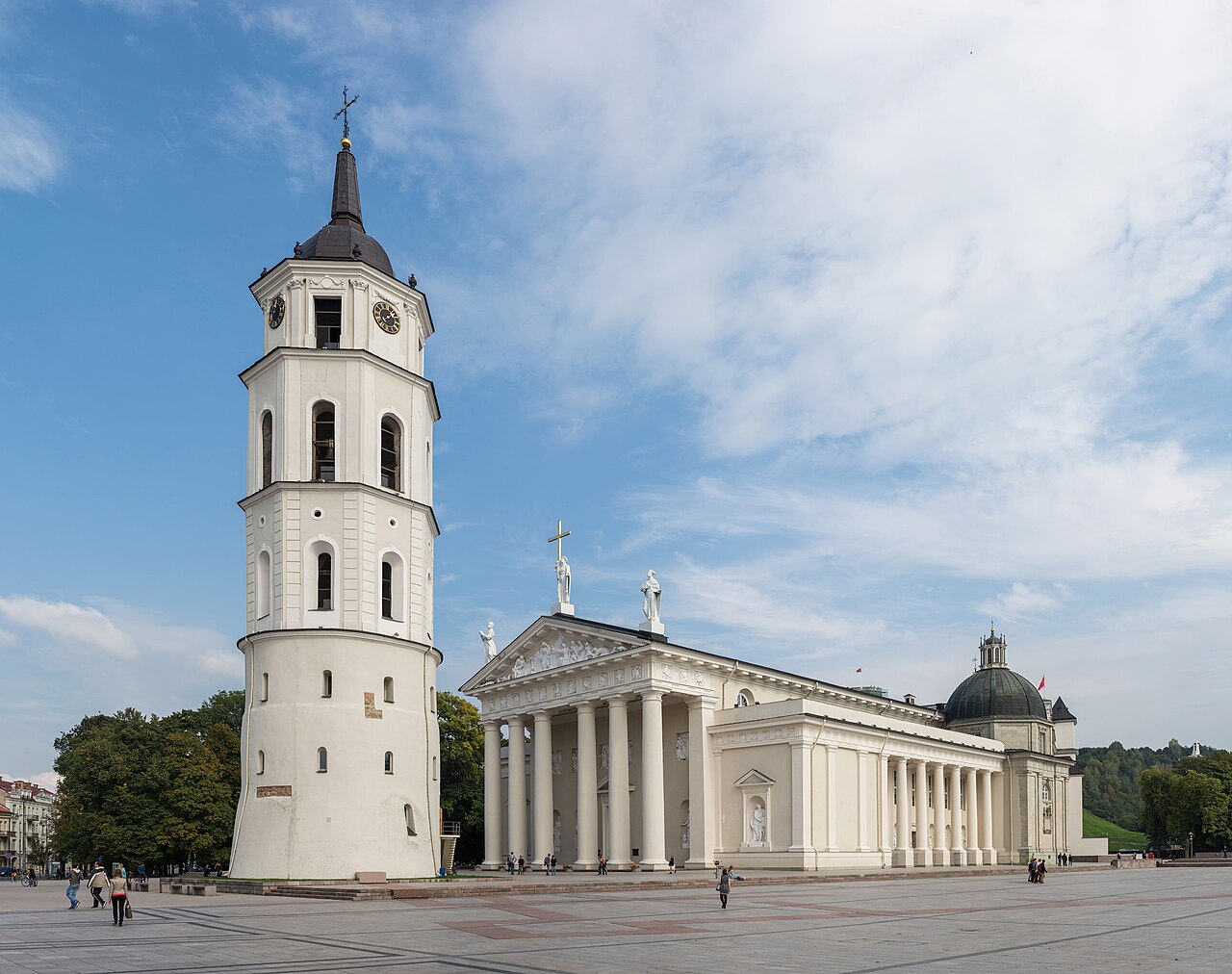
Vilnius is one of the standout places to visit in Lithuania. A baroque old town with a bohemian republic, hot-air balloons and a deep layered history. Plan on 2-3 days. Fly into Vilnius Airport (VNO) or Kaunas Airport (KUN), which is about 6 km from the centre. The best months are May, June, July, August, and September. A mid-range budget is around $105 per person per day (from about $50 on a tight budget to $230+ for luxury).
About Vilnius
Vilnius has one of the largest surviving medieval old towns in Europe, packed with baroque churches. The self-declared Republic of Uzupis is an arty district with its own whimsical constitution. The Hill of Three Crosses and Gediminas Tower provide skyline views.
Key facts
- Country: Lithuania
- Ideal stay: 2-3 days
- Best time: May-September for warm weather; December for Christmas lights. Winters are cold and snowy.
- Currency: Euro (EUR)
- Language: Lithuanian · English widely spoken
- Time zone: Europe/Vilnius (UTC+2/+3)
- Power plugs: Type C/F · 230 V
- Entry requirements: Schengen rules apply. Many nationalities are visa-free for 90 days; check official sources for your passport.
How to get to Vilnius
- Fly into Vilnius (VNO).
- Take the train or a taxi into the old town.
- Trakai is an easy day trip by train or bus.
Airports
VNO: Vilnius Airport, 6 km from Vilnius. Very close to the centre. Getting from the airport: Train to Vilnius station (7 min, ~$1.5); Taxi / ride-hail (15 min, ~$8-12).
KUN: Kaunas Airport, 100 km from Vilnius. Budget flights. Getting from the airport: Bus Kaunas-Vilnius (1.5-2 h, ~$8-10).
Getting around
The old town is fully walkable. Buses and trolleybuses cover the rest; use ride-hail apps for taxis.
Best time to go
The best months to visit Vilnius are May, June, July, August, and September. April, October, and December are also a good choice. January and February are usually best avoided because of the weather or crowds. Daytime highs average about 24°C in July and -2°C in January. May-September for warm weather; December for Christmas lights. Winters are cold and snowy.
Top things to do in Vilnius
- Old Town and Cathedral Square (3 h, Free): The white cathedral and its bell tower stand at the foot of Gediminas Hill.
- Gediminas Tower (1 h, ~$6-8): Hilltop remnant of the upper castle with a city view.
- Gates of Dawn (30 min, Free): Last surviving city gate, with a revered chapel.
- Uzupis (1.5 h, Free): Artist neighbourhood by the Vilnia river with a mock constitution on a wall.
- Church of St Anne (30 min, Free): Gothic Flamboyant red-brick masterpiece.
- Trakai Castle day trip (Half day, ~$10 + $3 bus/train): Island castle on a lake, around 30 km west.
Where to stay
- Old Town: Best for walking everywhere.
- Uzupis: Quiet, creative, small guesthouses.
- New Town (Naujamiestis): Cheaper, near the station and bus links.
What to eat and drink
- Cepelinai: Large potato dumplings filled with meat, served with sour cream.
- Saltibarsciai: Cold pink beet soup, popular in summer.
- Kibinai: Baked pastries with meat or cheese, a Trakai specialty.
Travel tips for Vilnius
- Visit the viewpoint at the Hill of Three Crosses at sunset.
- Prices are lower than in Western Europe.
- Cards work nearly everywhere.
- Winter visits need warm layers.
Good to know
- Pickpockets in the busiest old-town streets.
- Cobbled streets and ice in winter.
Daily budget
Budget travellers can get by on about $50 per day, mid-range travellers should plan for around $105, and luxury travel starts around $230 per person per day, excluding flights.
More places like Vilnius
- Riga, Latvia: The Baltic capital of Art Nouveau facades, a lively old town and a big market.
- Krakow, Poland: Poland's former royal capital: a vast medieval square, Wawel Castle and sobering history nearby.
- Prague, Czechia: A fairy-tale city of spires, a hilltop castle and the Charles Bridge.
- Sofia, Bulgaria: A relaxed capital of Orthodox domes, Roman ruins and Mount Vitosha at its doorstep.
- Sarajevo, Bosnia and Herzegovina: Where East meets West: Ottoman bazaars, Austro-Hungarian boulevards and a moving modern history.
- Tirana, Albania: A colourful, fast-changing capital with Ottoman mosques, communist bunkers and mountain access.
Prices, times and entry rules are approximate guides. Confirm them with official sources before you book.