Sarajevo, Bosnia and Herzegovina
Where East meets West: Ottoman bazaars, Austro-Hungarian boulevards and a moving modern history.
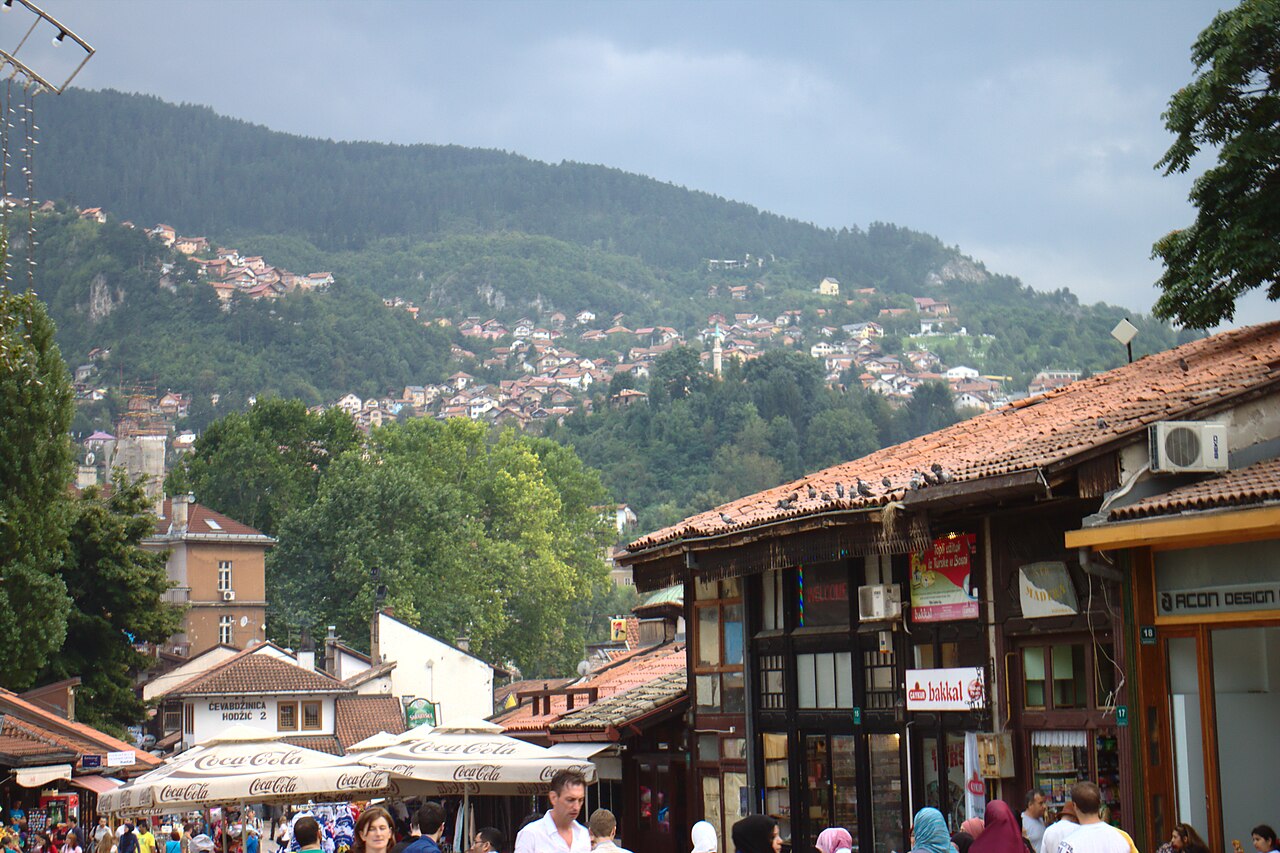
Sarajevo is one of the standout places to visit in Bosnia and Herzegovina. Where East meets West: Ottoman bazaars, Austro-Hungarian boulevards and a moving modern history. Plan on 2-3 days. Fly into Sarajevo International (SJJ), which is about 7 km from the centre. The best months are May, June, September, and October. A mid-range budget is around $80 per person per day (from about $40 on a tight budget to $170+ for luxury).
Government travel advice: Exercise increased caution. US State Department level 2, Government of Canada level 2, UK FCDO level 1. Read the official advice before you plan.
About Sarajevo
Sarajevo has a Muslim, Catholic, Orthodox and Jewish heritage side by side in a small valley city. Bascarsija is the Ottoman-era bazaar, while Austro-Hungarian buildings line Marsal Tito street. The Siege of Sarajevo (1992-1996) is remembered at several sites, and mountain landscapes are close by.
Key facts
- Country: Bosnia and Herzegovina
- Ideal stay: 2-3 days
- Best time: May-June and September-October for mild weather; winters are cold and snowy, with skiing nearby.
- Currency: Convertible mark (BAM)
- Language: Bosnian, Serbian, Croatian · English spoken in tourism
- Time zone: Europe/Sarajevo (UTC+1/+2)
- Power plugs: Type C/F · 230 V
- Entry requirements: Many nationalities are visa-free for short stays. Check official sources for your passport.
How to get to Sarajevo
- Fly into Sarajevo (SJJ), or take a bus from Mostar (2.5 h) or Belgrade.
- Take a taxi to Bascarsija.
- Trams run along the main axis.
Airports
SJJ: Sarajevo International, 7 km from Sarajevo. Limited direct flights; connections via Istanbul, Vienna or Zagreb. Getting from the airport: Taxi (15 min, ~$10-15); Trolleybus / bus (30-40 min, ~$1-2).
Getting around
The old town is walkable. Trams run along the main road east-west; taxis are cheap. Hire a car for Mostar and the mountains.
Best time to go
The best months to visit Sarajevo are May, June, September, and October. April, July, and August are also a good choice. January and February are usually best avoided because of the weather or crowds. Daytime highs average about 27°C in July and 3°C in January. May-June and September-October for mild weather; winters are cold and snowy, with skiing nearby.
Top things to do in Sarajevo
- Bascarsija and Sebilj fountain (2 h, Free): The old bazaar with coppersmith shops and cafes.
- Gazi Husrev-beg Mosque (30 min, ~$3-5): Major 16th-century Ottoman mosque; dress modestly.
- Latin Bridge (30 min, Free): Near the spot where Archduke Franz Ferdinand was assassinated in 1914.
- Tunnel of Hope museum (1.5 h, ~$5-8): Siege-era tunnel under the airport runway.
- Vrelo Bosne (Half day, ~$2-3): Spring-fed park with river walks, easy trip by tram and walk.
- Trebevic by cable car (2-3 h, ~$10-12): Cable car to the mountain and old Olympic bobsled track.
Where to stay
- Bascarsija: Atmospheric, central, best for walking.
- Marijin Dvor: Modern, near museums and trams.
- Vratnik: Hilltop views, local feel.
What to eat and drink
- Cevapi: Grilled minced meat in somun bread with onions.
- Burek: Meat-filled pastry; also sirnica and zeljanica.
- Bosnian coffee: Strong coffee served in a dzezva with sugar cubes.
Travel tips for Sarajevo
- Cash is common; carry convertible marks (KM).
- Dress modestly when entering mosques.
- Try a food walking tour.
- Learn a few words in Bosnian; it is appreciated.
Good to know
- Landmines remain in some rural areas; stay on marked paths and trails.
- Winter air pollution can be bad.
Daily budget
Budget travellers can get by on about $40 per day, mid-range travellers should plan for around $80, and luxury travel starts around $170 per person per day, excluding flights.
More places like Sarajevo
- Krakow, Poland: Poland's former royal capital: a vast medieval square, Wawel Castle and sobering history nearby.
- Riga, Latvia: The Baltic capital of Art Nouveau facades, a lively old town and a big market.
- Vilnius, Lithuania: A baroque old town with a bohemian republic, hot-air balloons and a deep layered history.
- Prague, Czechia: A fairy-tale city of spires, a hilltop castle and the Charles Bridge.
- Tirana, Albania: A colourful, fast-changing capital with Ottoman mosques, communist bunkers and mountain access.
- Lviv, Ukraine: A Habsburg-era cultural capital of coffee houses and cobbled squares in western Ukraine.
Prices, times and entry rules are approximate guides. Confirm them with official sources before you book.