Valletta, Malta
A baroque fortress capital of honey-coloured stone on a Mediterranean island.
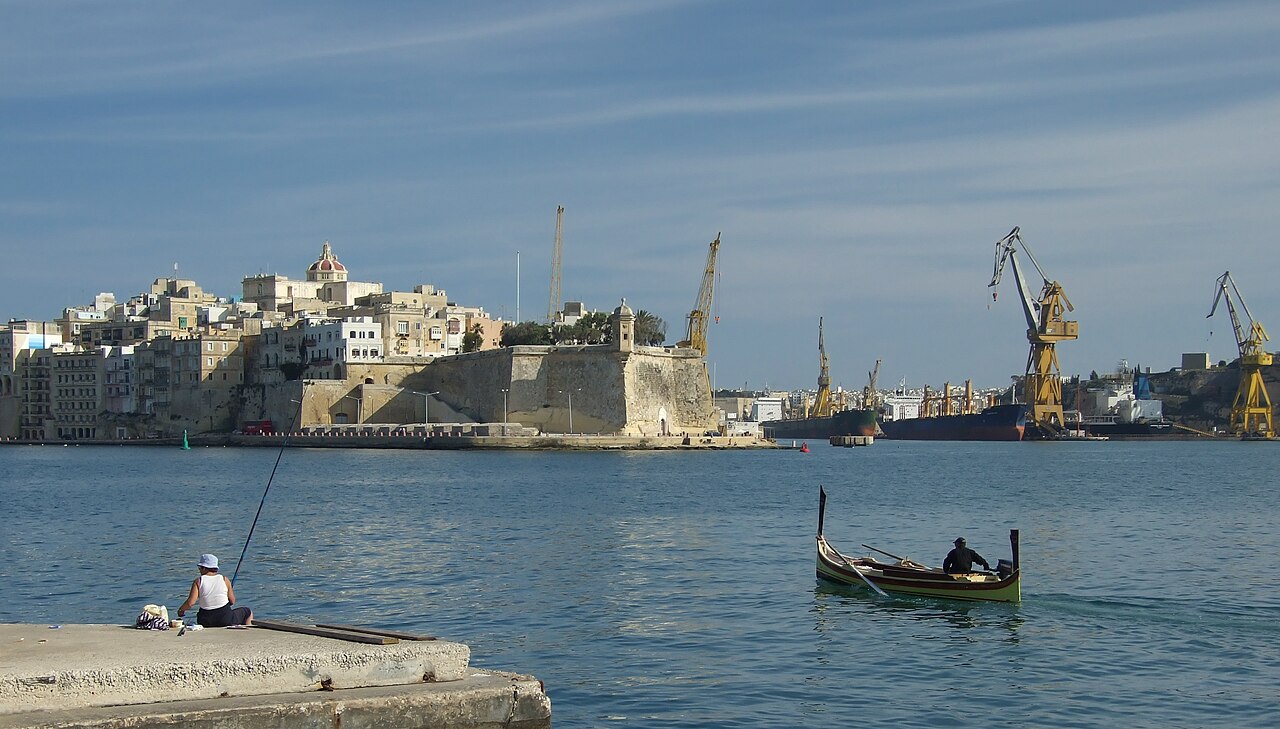
Valletta is one of the standout places to visit in Malta. A baroque fortress capital of honey-coloured stone on a Mediterranean island. Plan on 3–5 days. Fly into Malta International Airport (MLA), which is about 8 km from the centre. The best months are April, May, September, and October. A mid-range budget is around $160 per person per day (from about $75 on a tight budget to $380+ for luxury).
About Valletta
Valletta was built by the Knights of St John in the 16th century and is a UNESCO World Heritage city. Its grid streets, balconies and bastions overlook Grand Harbour. English is widely spoken, and ferries and buses make it easy to explore Sliema, the Three Cities, Mdina and Gozo.
Key facts
- Country: Malta
- Ideal stay: 3–5 days
- Best time: April–June and September–October for warm sea and manageable crowds. July–August is hot and busy; winter is mild but windy and wetter.
- Currency: Euro (EUR)
- Language: Maltese · English (official)
- Time zone: Europe/Malta (UTC+1/+2)
- Power plugs: Type G · 230 V
- Entry requirements: Malta is in the Schengen area. Many nationalities are visa-free for 90 days. Check official sources.
How to get to Valletta
- Fly into Malta (MLA).
- Take a bus or taxi to Valletta.
- Ferries link Sicily, with high-speed catamarans from Pozzallo.
Airports
MLA: Malta International Airport, 8 km from Valletta. The only airport on the island. Getting from the airport: Bus X4 / X1 and others (30–40 min, ~$2–3); Taxi / ride-hailing (15–25 min, ~$20–30).
Getting around
Buses (Tallinja) cover the island; cards give cheaper fares. Ferries link Valletta with Sliema and the Three Cities. Driving is on the left and roads are busy.
Best time to go
The best months to visit Valletta are April, May, September, and October. March, June, and November are also a good choice. Daytime highs average about 31°C in July and 15°C in January. Expect frequent rain in January, February, October, November, and December. April–June and September–October for warm sea and manageable crowds. July–August is hot and busy; winter is mild but windy and wetter.
Top things to do in Valletta
- St John’s Co-Cathedral (1–1.5 h, ~$15–20): Baroque interior with Caravaggio’s Beheading of St John the Baptist.
- Upper Barrakka Gardens (45 min, Free; lift small fee): Terrace with views of Grand Harbour; salute battery fires at noon and 4 pm.
- Grand Master’s Palace (1.5 h, ~$8–12): State rooms and armoury in the former palace of the Knights.
- Three Cities by ferry (Half day, ~$3–5): Cross Grand Harbour to Birgu, Senglea and Cospicua for fortifications and quiet lanes.
- Mdina and Rabat (Half day, Free; sites small fees): Walled former capital known as the Silent City, with quiet alleys.
- Gozo day trip and Blue Lagoon (Full day, ~$15–40): Ferry from Cirkewwa to Gozo and boat trips to Comino’s Blue Lagoon.
Where to stay
- Valletta: Historic and walkable; quiet at night.
- Sliema / St Julian’s: Seafront, restaurants and nightlife; busier and modern.
- Mdina / Rabat: Quiet medieval setting away from the coast.
What to eat and drink
- Pastizzi: Flaky pastry filled with ricotta or peas.
- Rabbit stew (fenkata): National dish, often slow-cooked in wine.
- Ftira: Maltese bread filled with tuna, capers and tomato.
Travel tips for Valletta
- Take the ferry from Valletta to Sliema for scenic views.
- Cover shoulders and knees in churches.
- Book Gozo or Comino boats early in summer.
- Carry water and sun protection.
Good to know
- Summer heat is intense and the Blue Lagoon is very crowded.
- Traffic is heavy and driving is on the left; take care when renting.
Daily budget
Budget travellers can get by on about $75 per day, mid-range travellers should plan for around $160, and luxury travel starts around $380 per person per day, excluding flights.
More places like Valletta
- Dubrovnik, Croatia: The walled Adriatic pearl, with city-wall walks, island boats and limestone beaches.
- Paphos, Cyprus: Ancient mosaics, sea caves and warm beaches on the south-west coast of Cyprus.
- Vilnius, Lithuania: A baroque old town with a bohemian republic, hot-air balloons and a deep layered history.
- Krakow, Poland: Poland's former royal capital: a vast medieval square, Wawel Castle and sobering history nearby.
- Prague, Czechia: A fairy-tale city of spires, a hilltop castle and the Charles Bridge.
- Sarajevo, Bosnia and Herzegovina: Where East meets West: Ottoman bazaars, Austro-Hungarian boulevards and a moving modern history.
Prices, times and entry rules are approximate guides. Confirm them with official sources before you book.